
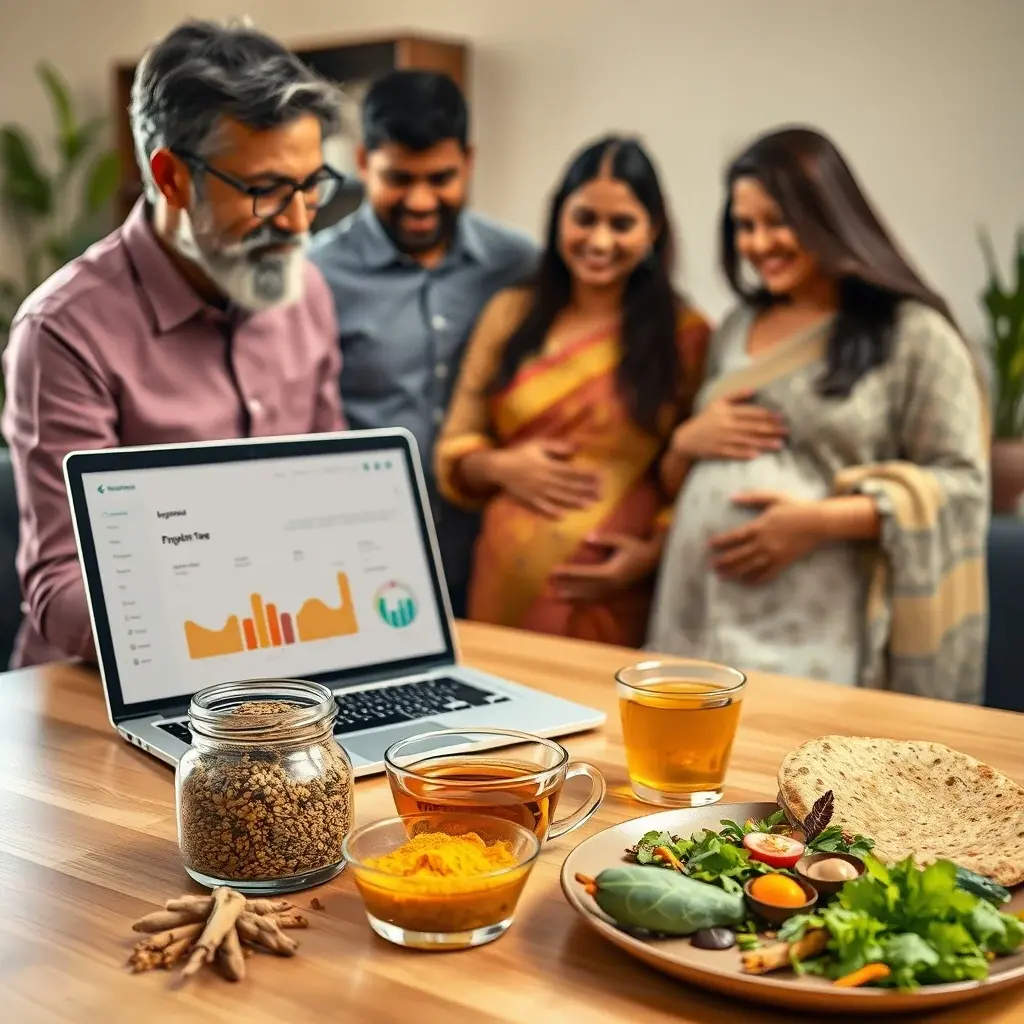
Pregnancy wellness in India today sits at the crossroads of millennia‑old Ayurvedic wisdom and cutting‑edge obstetric research. This analysis dissects how a knowledgeable coach can synthesize these domains, delivering culturally resonant yet scientifically rigorous guidance to mothers‑to‑be and their families, whether they reside in Delhi, Mumbai, or the diaspora. By interlinking with resources such as First Step Baby, the coach creates a seamless continuum of care that honors tradition while mitigating risk.
Integrating Ayurvedic Principles with Evidence‑Based Prenatal Care
Ayurveda classifies pregnancy under the Garbha stage, emphasizing dosha balance (Vata, Pitta, Kapha) to support fetal development. Contemporary obstetrics, however, relies on quantifiable metrics—maternal hemoglobin, fetal biometry, and gestational age‑specific screening. The coach’s role is to map Ayurvedic recommendations onto clinical protocols:
- Dosha‑specific diet: Kapha‑dominant mothers benefit from light, warming foods (e.g., ginger‑spiced dal) that counteract fluid retention, aligning with evidence that reduced sodium intake lowers preeclampsia risk.
- Herbal adjuncts: Ashwagandha (Withania somnifera) at 300 mg/day has demonstrated cortisol‑modulating effects in a 2022 double‑blind trial, but must be avoided after the 28th week due to uterine contractile potential.
- Ritual timing: Early‑morning Pranayama aligns with circadian peaks in melatonin, supporting placental angiogenesis as shown in a 2021 chronobiology study.
Edge cases arise when a mother’s constitution conflicts with medical recommendations—e.g., a Vata‑dominant woman with a history of preterm labor may need stricter fluid monitoring than traditional advice suggests. The coach must negotiate these tensions, documenting deviations and justifying them with peer‑reviewed data.
Nutritional Optimization: Micronutrients, Macro Balance, and Cultural Foods
India’s dietary diversity offers a rich palette of micronutrient sources, yet deficiencies persist. A data‑driven coach conducts a baseline serum panel (iron, B12, folate, vitamin D) and tailors a plan that respects culinary heritage.
Macro‑Nutrient Distribution
Current WHO guidelines recommend 25‑35 % of total calories from fat, 15‑20 % from protein, and the remainder from complex carbohydrates. Translating this into a typical South Indian breakfast:
- Idli (steamed rice‑lentil cakes) – 45 % carbs, 10 % protein.
- Accompanied by coconut chutney – 30 % healthy saturated fats.
- Supplemented with a glass of fortified soy milk – 15 % protein, 10 % calcium.
Micronutrient Integration
Research from the Indian Council of Medical Research (ICMR, 2023) indicates that daily 500 µg folic acid reduces neural tube defects by 70 %. The coach incorporates folate‑rich greens (palak, methi) into traditional dishes like sarson ka saag, while ensuring iron bioavailability through concurrent vitamin C sources (citrus, amla).
Case Study: Rural Karnataka Cohort
A 2022 longitudinal study of 1,200 pregnant women showed a 22 % reduction in low‑birth‑weight infants when participants followed a coach‑curated diet that combined millet‑based rotis with fermented foods (curd, idli batter) to enhance gut microbiota diversity.
Physical Activity: Traditional Practices and Modern Exercise Science
Movement during pregnancy mitigates gestational diabetes, hypertension, and musculoskeletal strain. The coach evaluates both indigenous practices—such as Yoga for Pregnancy and Kalari breathing drills—and evidence‑based regimens like moderate‑intensity aerobic exercise (150 min/week).
- Tri‑phase Yoga: First trimester – focus on gentle asanas (Cat‑Cow, Modified Warrior) to improve spinal alignment; second trimester – incorporate balance poses (Tree) to counteract shifting center of gravity; third trimester – emphasize restorative poses (Supported Bridge) to prepare for labor.
- Resistance Training: Light resistance bands (5–10 kg) twice weekly, shown in a 2021 JAMA‑Network study to preserve lean body mass without increasing preterm birth risk.
- Edge Scenario: Women with placenta previa must avoid supine positions; the coach adapts by recommending side‑lying stretches and seated pranayama.
Mental Well‑Being: Rituals, Mindfulness, and Psychosocial Support
Psychological resilience is a predictor of obstetric outcomes. Indian cultural rituals—such as the Godh Bharai ceremony—provide communal affirmation, while mindfulness techniques offer neurobiological benefits (increased prefrontal cortex activity, reduced amygdala reactivity).
Evidence‑Based Interventions
Meta‑analyses (Cochrane, 2022) confirm that structured antenatal CBT reduces perinatal anxiety by 30 %. The coach integrates CBT worksheets with culturally familiar storytelling, using mythic archetypes (e.g., Sita’s patience) to frame coping strategies.
Family Involvement
In joint families, the mother‑in‑law’s dietary preferences can clash with nutritional advice. A coach‑mediated dialogue, supported by data visualizations of maternal‑fetal health metrics, often resolves conflict and improves adherence.
Technology and Community: Tele‑Coaching, Apps, and Diaspora Networks
Digital platforms extend the coach’s reach beyond geographic constraints. A hybrid model—combining monthly video consults, a secure messaging portal, and a curated content library—has demonstrated a 15 % increase in prenatal visit compliance among Indian diaspora in the United Kingdom (2023 NHS pilot).
- App Integration: Syncing wearable data (heart rate variability, step count) with the coach’s dashboard enables real‑time risk stratification.
- Community Forums: Moderated groups on platforms like WhatsApp foster peer support, while algorithmic moderation filters misinformation.
- Future Edge: AI‑driven predictive analytics could flag early signs of gestational hypertension by correlating sleep patterns, dietary logs, and genetic predisposition.
Practical Applications and Advanced Strategies
To operationalize the synthesis, the coach follows a three‑tier protocol:
- Assessment Phase (Weeks 1‑4): Comprehensive medical history, dosha typing, baseline labs, and digital habit audit.
- Customization Phase (Weeks 5‑20): Generate a weekly meal‑plan matrix that maps Ayurvedic food categories to macro‑micronutrient targets; prescribe a progressive exercise syllabus; embed mindfulness scripts aligned with cultural festivals.
- Optimization Phase (Weeks 21‑40): Real‑time data feedback loops, trimester‑specific adjustments (e.g., reducing Vata‑stimulating spices in late pregnancy), and contingency planning for high‑risk scenarios.
Advanced tip: Incorporate bioavailable iron chelates (e.g., ferrous bisglycinate) alongside traditional shankhapushpi tea to synergistically improve hematologic indices without gastrointestinal upset.
Future Implications and Emerging Trends
As genomic sequencing becomes affordable, epigenetic profiling may allow coaches to personalize Ayurvedic recommendations based on maternal‑fetal DNA methylation patterns. Simultaneously, the rise of “virtual womb” simulations—AI‑driven 3‑D models of placental blood flow—could empower coaches to visualize the physiological impact of dietary and activity modifications in real time. The convergence of these technologies promises a paradigm where cultural fidelity and precision medicine are not opposing forces but co‑drivers of optimal perinatal health.
Ultimately, the most compelling prediction is that the next decade will see a formal certification pathway for “Integrative Prenatal Coaches” in India, mandating competency in both Ayurvedic diagnostics and evidence‑based obstetrics, thereby institutionalizing the hybrid model explored herein.