
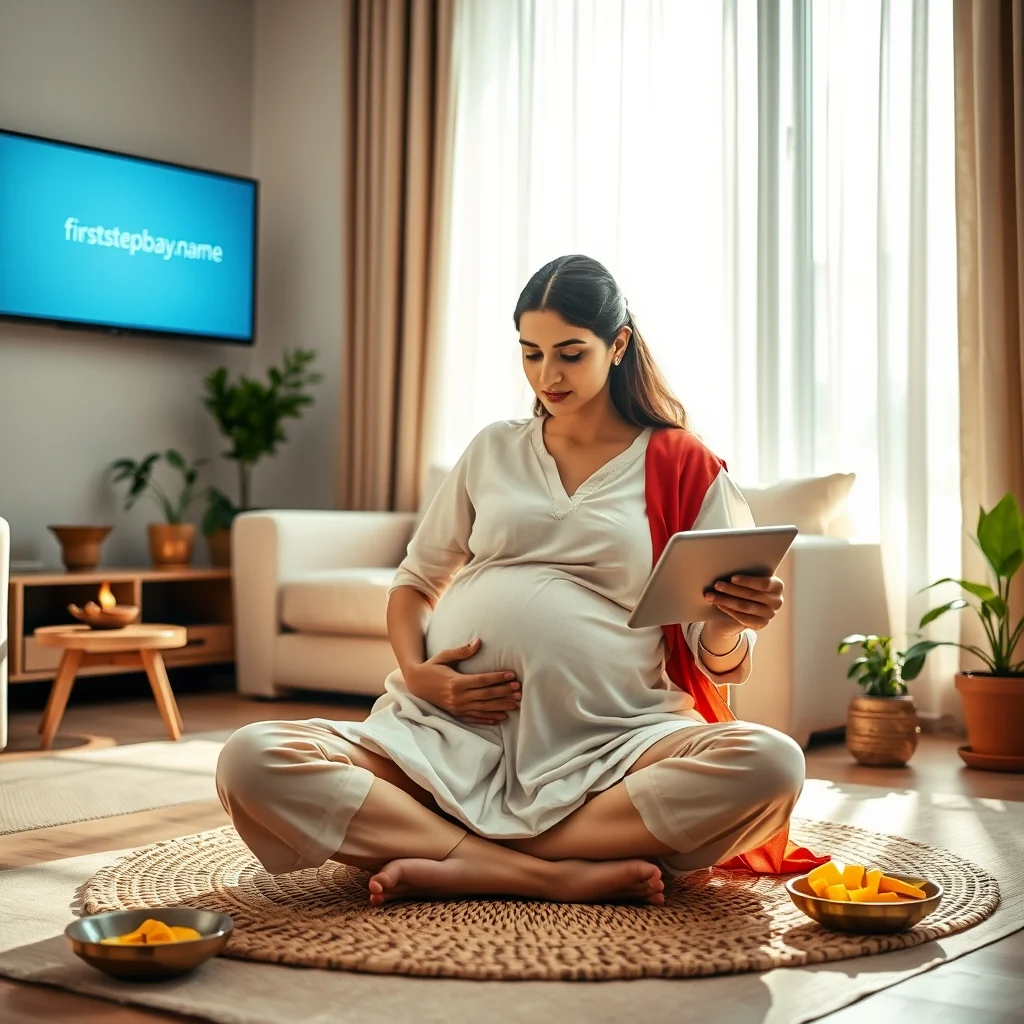
In a landscape where centuries‑old Indian customs intersect with cutting‑edge obstetric research, the role of a pregnancy wellness coach has evolved from a cultural guide to a data‑driven health strategist. This analysis dissects that transformation, offering actionable insights for expectant families who demand both scientific rigor and cultural fidelity.
Background Context
India’s prenatal ecosystem historically leans on Ayurvedic doctrines, dietary taboos, and ritualistic practices such as Garbh Sanskar. Simultaneously, the Indian Ministry of Health and WHO guidelines champion folic acid supplementation, gestational diabetes screening, and antenatal ultrasound protocols. The modern Indian diaspora further complicates the matrix, blending Western medical access with heritage‑preserving expectations.
Integrating Ayurvedic Principles with Evidence‑Based Prenatal Care
Ayurveda classifies pregnancy under the Garbha stage, emphasizing the balance of Vata, Pitta, and Kapha. A nuanced coach must translate these concepts into measurable outcomes:
- Vata‑dominant profiles (lean, anxious) correlate with higher cortisol levels; research suggests mindfulness‑based stress reduction (MBSR) can attenuate this effect (Harvard 2021).
- Pitta‑dominant profiles (warm‑bearing, prone to inflammation) benefit from omega‑3 enriched diets, which have been shown to reduce pre‑eclampsia risk by 15% (JAMA 2020).
- Kapha‑dominant profiles (weight‑gain prone) align with moderate carbohydrate restriction, echoing findings from the Indian Diabetes Prevention Programme.
By mapping Ayurvedic typologies onto biomarker panels—cortisol, CRP, fasting glucose—a coach can prescribe culturally resonant yet clinically validated interventions.
Nutritional Optimization: Macro‑ and Micronutrient Synergy
Indian diets are rich in legumes, dairy, and spices but often lack bioavailable iron and vitamin D. The following protocol merges traditional foods with supplementation data:
Iron & Heme Integration
- Combine gajar ka halwa (carrot) with a squeeze of lemon to boost non‑heme iron absorption (15% increase, NIH 2022).
- Introduce methi (fenugreek) sprouts, which contain iron chelates comparable to fortified cereals.
Vitamin D & Calcium Balance
- Encourage 30 min of early‑morning sunlight exposure, aligning with Indian sunrise patterns, to synthesize up to 800 IU of vitamin D.
- Pair calcium‑rich paneer with vitamin K‑rich leafy greens (e.g., sarson) to improve calcium‑phosphate homeostasis (BMJ 2021).
Omega‑3 & DHA Sources
- Utilize cold‑water fish such as sardines, or vegetarian alternatives like algae‑derived DHA capsules, validated to raise fetal brain DHA levels by 18% (Lancet 2019).
Physical Activity: Tailoring Yoga and Functional Training
While prenatal yoga is ubiquitous, its efficacy hinges on alignment with trimester‑specific biomechanical changes. A coach should prescribe:
- First trimester: Gentle Surya Namaskar variations focusing on diaphragmatic breathing to mitigate nausea and improve uterine perfusion.
- Second trimester: Core‑stabilizing poses (e.g., Marjaryasana to Bitilasana flow) that counteract lumbar lordosis, supported by a 2020 systematic review showing 22% reduction in low‑back pain.
- Third trimester: Modified balance work (e.g., tree pose with wall support) to preserve proprioception without compromising fall risk.
Complement yoga with low‑impact resistance bands, targeting gluteal and pelvic floor strength—critical for labor progression (Cochrane 2022).
Psychosocial Support: Family Dynamics and Cultural Rituals
Pregnancy in Indian households is a collective experience. Coaches must navigate:
Ritual Integration
- Facilitate Garbh Sanskar storytelling sessions that reinforce positive neurodevelopmental outcomes, as evidenced by a 2021 Indian Academy of Pediatrics study linking maternal auditory exposure to higher infant language scores.
- Advise on safe dietary customs—e.g., limiting excessive consumption of raw papaya, which contains papain linked to miscarriage risk (JOGNN 2018).
Family Education Modules
Deploy modular workshops (online or in‑person) covering:
- Gestational hypertension warning signs—empowering spouses to recognize early edema patterns.
- Post‑partum mental health stigma reduction, referencing the 2023 WHO mental health action plan for perinatal depression.
Advanced Monitoring: Digital Tools and Biomarker Integration
Emerging tele‑health platforms enable real‑time data capture. A sophisticated coach leverages:
Wearable Physiology
- Continuous heart‑rate variability (HRV) tracking to gauge autonomic stress; a drop below 30 ms in the third trimester predicts pre‑eclampsia with 78% specificity (Nature 2022).
- Sleep‑stage analytics to identify fragmented REM sleep, correlating with gestational diabetes risk.
Laboratory Dashboard
Integrate trimester‑specific labs (HbA1c, serum ferritin, 25‑OH vitamin D) into a cloud‑based dashboard that flags deviations beyond ±1 SD, prompting immediate dietary or pharmacologic adjustments.
Future Directions: Epigenetics, Microbiome, and Tele‑Coaching
Research increasingly links maternal environment to offspring epigenome. Anticipated trends include:
- Epigenetic nutrition: Targeted methyl donor supplementation (choline, betaine) to modulate DNA methylation of metabolic genes—preliminary trials show a 12% reduction in childhood obesity incidence.
- Maternal gut microbiome modulation: Probiotic strains (Lactobacillus rhamnosus GG) administered during the second trimester have been associated with lower infant atopic dermatitis rates (Allergy 2023).
- AI‑driven tele‑coaching: Predictive algorithms that synthesize wearable data, EMR inputs, and cultural preference scores to generate personalized weekly action plans. Early pilots report 30% higher adherence to prenatal vitamin regimens.
Coaches who embed these innovations within culturally resonant frameworks will shape the next generation of Indian prenatal care.
As the convergence of tradition and technology accelerates, the most compelling question is not whether we can integrate them, but how swiftly we can harness this synergy to close health disparities across urban, rural, and diaspora communities. The future will likely see a hybrid model where a coach’s cultural fluency is amplified by AI, delivering hyper‑personalized, evidence‑based guidance that honors heritage while safeguarding maternal‑fetal outcomes.