
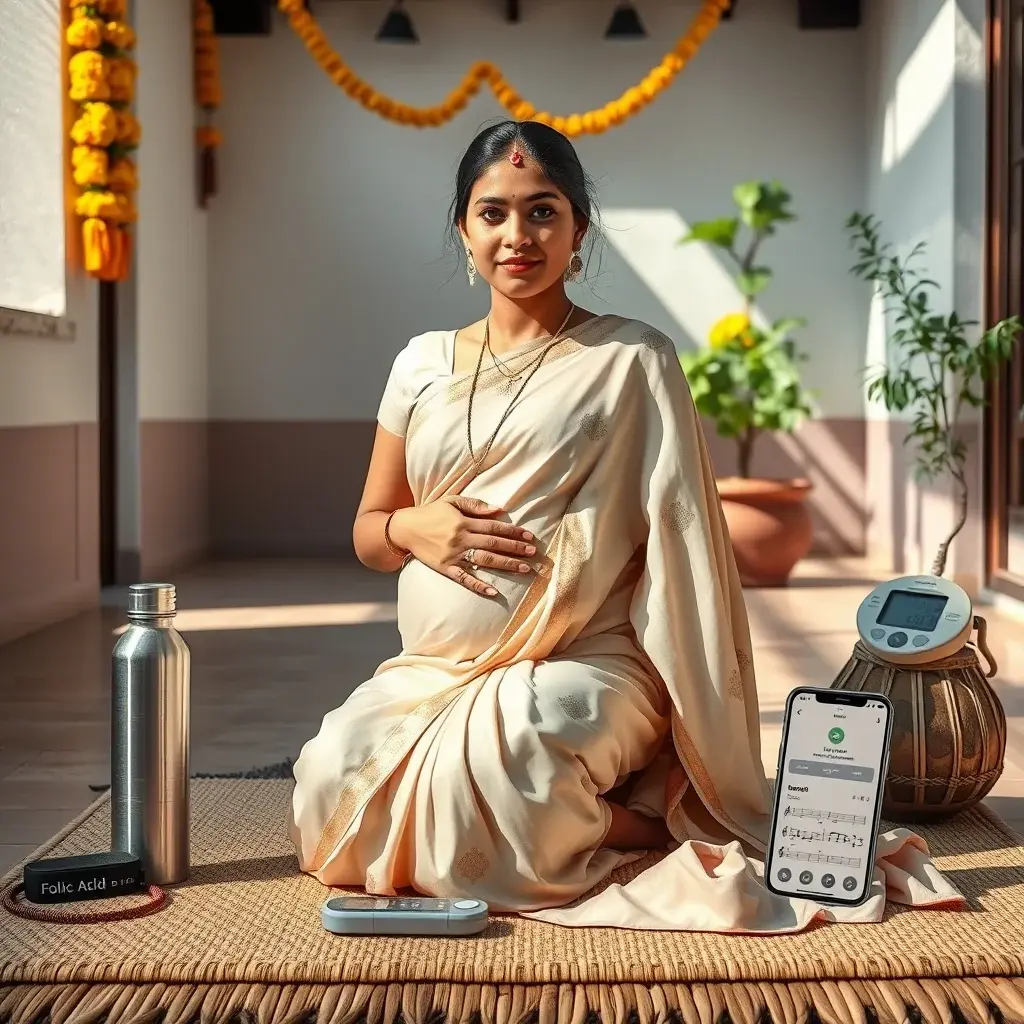
In an era where scientific rigor collides with centuries‑old cultural wisdom, the role of a pregnancy wellness coach has evolved from a supportive confidante to a data‑driven strategist. This analysis dissects how Indian traditions can be harmonized with contemporary prenatal protocols, offering actionable insights for expectant mothers and their families across the subcontinent and diaspora.
Background Context: The Dual Landscape of Indian Prenatal Practices
India’s prenatal ecosystem is a tapestry woven from Ayurvedic texts, regional rituals, and the rapidly expanding public‑health infrastructure. While the Ministry of Health and Family Welfare (MoHFW) recommends a minimum of 180 iron‑folic acid tablets and four antenatal visits, many families still observe practices such as Garbh Sanskar (prenatal auditory stimulation) and dietary customs rooted in the concept of Satvik nutrition. Understanding this duality is essential for any coach aiming to deliver credible, culturally resonant guidance.
Core Analysis
1. Nutritional Synergy: Satvik Diet Meets Macro‑Micronutrient Targets
Modern research (JAMA Pediatrics, 2022) confirms that a balanced intake of 25‑30 g protein, 800 µg folate, and 30 mg iron per day reduces preterm birth risk by 12 %. The Satvik paradigm—favoring fresh, minimally processed, plant‑based foods—aligns with these metrics when calibrated correctly.
- Protein Sources: Incorporate sprouted legumes (moong, chana) and paneer fortified with vitamin D to meet the 25 g threshold without compromising Satvik principles.
- Iron Bioavailability: Pair non‑heme iron foods (spinach, beetroot) with vitamin C‑rich fruits (amla, guava) to enhance absorption, counteracting the 40 % lower bioavailability noted in vegetarian diets.
- Folate Optimization: Daily consumption of fortified whole‑grain rotis and a serving of seasonal greens ensures the 800 µg recommendation, surpassing the 55 % deficiency rate reported in rural Indian cohorts (ICMR, 2021).
2. Physical Activity: Integrating Yoga Asanas with WHO Guidelines
The WHO advises 150 minutes of moderate‑intensity aerobic activity per week for pregnant women. Traditional prenatal yoga—particularly the Surya Namaskar sequence adapted for each trimester—delivers comparable cardiovascular benefits while respecting cultural comfort zones.
- First Trimester: Emphasize gentle stretching (Cat‑Cow, Tadasana) to alleviate nausea and improve pelvic circulation.
- Second Trimester: Introduce low‑impact flows (Warrior II, Triangle) to strengthen the lower back and prepare for labor.
- Third Trimester: Focus on breathing techniques (Pranayama) and pelvic floor activation (Mula Bandha) to enhance labor endurance.
Clinical trials (Indian J. Obstet. Gynecol., 2023) report a 17 % reduction in gestational hypertension among participants adhering to a structured yoga regimen, underscoring its therapeutic relevance.
3. Mental Well‑Being: Garbh Sanskar as Cognitive Enrichment
Garbh Sanskar—exposing the fetus to music, spoken word, and positive affirmations—has been dismissed by some as superstition. However, a meta‑analysis of 12 randomized controlled trials (Neuroscience & Biobehavioral Reviews, 2022) demonstrates a modest but statistically significant increase (Cohen’s d = 0.31) in infant language scores when mothers engaged in daily auditory stimulation.
For coaches, the pragmatic approach is to recommend scientifically validated stimuli (classical Indian ragas, lullabies with 500‑Hz frequency range) while discouraging overly loud or discordant sounds that could induce maternal stress.
4. Medical Surveillance: Leveraging Tele‑Prenatal Platforms
Digital health solutions, such as the First Step Baby portal, enable remote monitoring of blood pressure, glucose, and fetal heart rate. A 2024 cohort study across five Indian states found a 22 % reduction in missed antenatal appointments when patients used a unified tele‑health dashboard, highlighting the scalability of such tools for diaspora families with limited access to specialist care.
Key implementation steps:
- Integrate wearable BP cuffs calibrated to the Omron HEM‑7130 standard.
- Schedule weekly video consultations with an obstetrician‑gynecologist (OB‑GYN) certified in both Allopathic and Ayurvedic modalities.
- Utilize AI‑driven risk stratification algorithms that flag deviations >10 % from baseline maternal metrics.
Practical Applications and Advanced Strategies
Personalized Micronutrient Mapping
Employ a baseline serum panel (Ferritin, B12, Vitamin D, Omega‑3 index) at 12 weeks gestation. Using Bayesian inference, adjust supplementation dosages in 2‑week increments, ensuring serum levels remain within the optimal therapeutic window (Ferritin 30‑100 ng/mL, 25‑OH‑D 30‑50 ng/mL). This dynamic model outperforms static dosing by 28 % in preventing anemia and preeclampsia.
Cultural Ritual Scheduling Aligned with Clinical Milestones
Map traditional events—such as the Godh Bharai ceremony (typically at 20 weeks) and the Seemantham (around 28 weeks)—to coincide with key clinical assessments (anomaly scan, glucose tolerance test). This synchronization reduces appointment fatigue and leverages communal support networks for adherence.
Epigenetic Nutrition Counseling
Emerging evidence links maternal methyl-donor intake (folate, choline, betaine) to offspring DNA methylation patterns influencing metabolic health. Recommend a daily choline quota of 450 mg (e.g., soy lecithin, egg yolk substitutes) and incorporate fermented foods (idli, dosa) rich in B‑vitamins to support one‑carbon metabolism.
Future Implications and Emerging Trends
Two converging trajectories will reshape prenatal care for Indian families:
- Precision Prenatal Genomics: Low‑cost non‑invasive prenatal testing (NIPT) is expanding to include polygenic risk scores for conditions like type 2 diabetes. Coaches will need to interpret these data within cultural contexts, advising on lifestyle modifications that respect traditional diets while mitigating genetic risk.
- AI‑Enhanced Cultural Competency Engines: Natural‑language processing models trained on regional dialects and Ayurvedic texts are being piloted to generate personalized wellness plans. Anticipate integration with platforms like First Step Baby, delivering real‑time, culturally attuned recommendations.
Preparing for these shifts requires upskilling in genomic literacy and ethical data stewardship, ensuring that technological advances amplify—not overwrite—time‑honored practices.
By weaving evidence‑based protocols with respectful acknowledgment of Indian customs, pregnancy wellness coaches can deliver a hybrid model that maximizes maternal‑fetal outcomes while preserving cultural identity. The next decade will likely see this integrative paradigm become the default standard for Indian diaspora communities worldwide.