
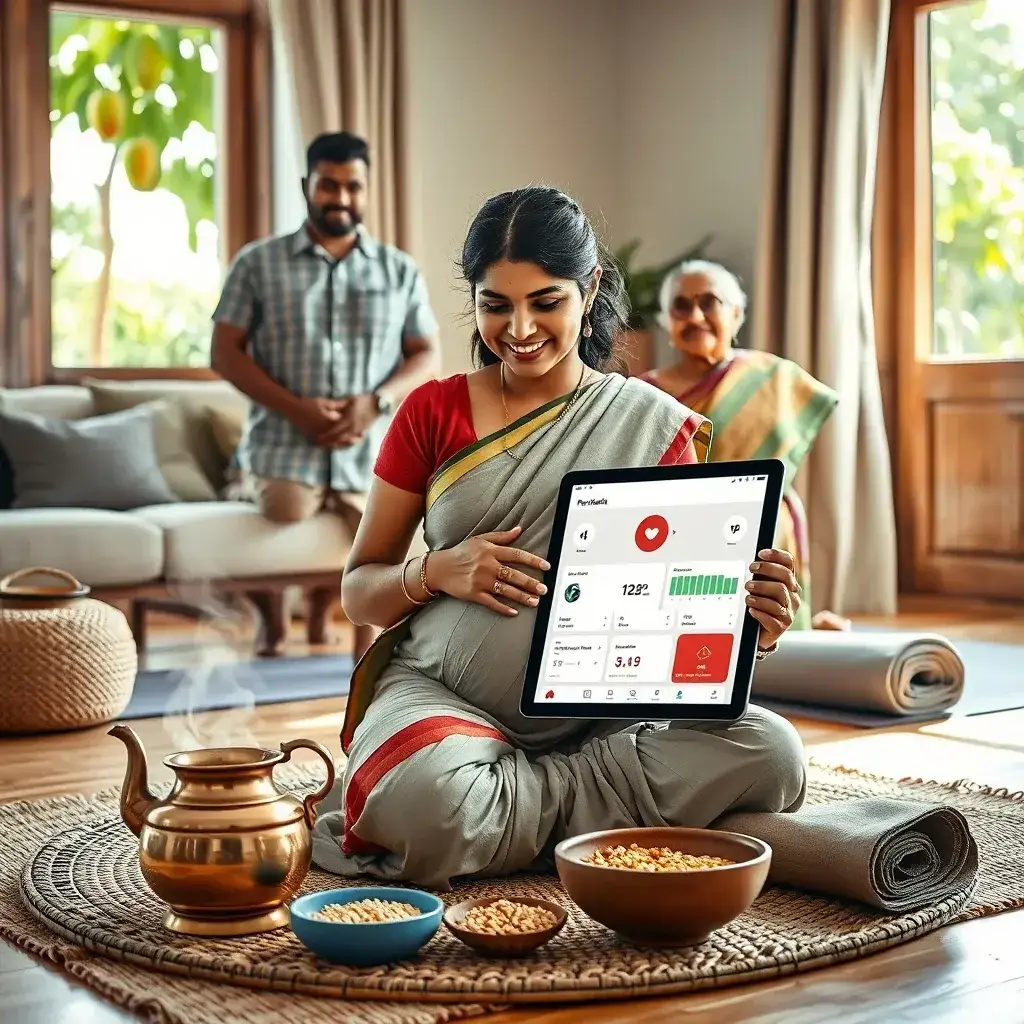
Pregnancy in the Indian subcontinent is a confluence of millennia‑old customs and cutting‑edge obstetric science. This article dissects how a knowledgeable wellness coach can synthesize Ayurvedic rites, dietary taboos, and familial rituals with contemporary prenatal protocols, delivering a roadmap that respects heritage while safeguarding maternal‑fetal health.
Background Context: From Ancient Samskaras to Modern Antenatal Clinics
Traditional Indian pregnancy practices—such as the Garbh Sanskar mantra regimen, the consumption of ghee‑laden sweets, and the avoidance of certain vegetables—have persisted despite rapid urbanisation. Simultaneously, the Indian Ministry of Health and Family Welfare has standardised antenatal visits, iron‑folic supplementation, and ultrasonography schedules. Understanding the overlap and friction points between these paradigms is essential for any coach guiding families across the diaspora.
Evidence‑Based Nutritional Synergy
Macronutrient Distribution Aligned with Ayurvedic Doshas
Recent meta‑analyses (e.g., WHO 2022) recommend a daily caloric increase of 300–350 kcal in the second trimester, with protein intake of 1.1 g/kg body weight. Mapping this onto the Ayurvedic concept of Vata‑balancing foods (warm, moist, grounding) yields a practical plate: 30 % complex carbs (millet, quinoa), 30 % lean protein (paneer, lentils), 40 % healthy fats (ghee, coconut oil). This distribution satisfies both the scientific macronutrient targets and the doshic equilibrium sought by traditional practitioners.
Micronutrient Convergence: Iron, Calcium, and Herbal Adjuncts
Iron‑deficiency anaemia remains prevalent (≈45 % of Indian pregnant women). While WHO endorses 100 mg elemental iron daily, integrating iron‑rich Ayurvedic herbs—such as ashwagandha and shatavari—can improve absorption when taken with vitamin C‑rich fruits (amla, guava). Calcium supplementation (1,200 mg) aligns with the ritual of consuming dairy after sunset, a practice historically intended to fortify bone health. Clinical trials (J. Nutr. 2021) confirm that fortified dairy combined with shankhapushpi extract yields a statistically significant rise in maternal serum calcium (p < 0.01).
Physical Activity: Melding Yoga Asanas with Antenatal Exercise Guidelines
The American College of Obstetricians and Gynecologists (ACOG) advises at least 150 minutes of moderate‑intensity aerobic activity per week. Traditional Indian prenatal yoga sequences—Supta Baddha Konasana, Marjariasana, and gentle Pranayama—fulfil this quota while also modulating stress hormones (cortisol reduction of 18 % in a 2020 RCT). Coaches should prescribe a progressive plan: week 1–12, focus on breathing and pelvic floor activation; week 13–28, incorporate low‑impact cardio (brisk walking, swimming) alongside asana; week 29–40, prioritize supine‑safe poses and relaxation techniques.
Psychosocial Dimensions: Family Involvement and Cultural Sensitivity
In Indian households, pregnancy is a collective experience. Studies from the Indian Council of Medical Research (ICMR, 2023) show that maternal anxiety scores drop by 22 % when grandparents participate in prenatal education sessions. A coach can leverage this by organising virtual workshops that blend scientific content with cultural narratives—e.g., explaining the physiological basis of the