
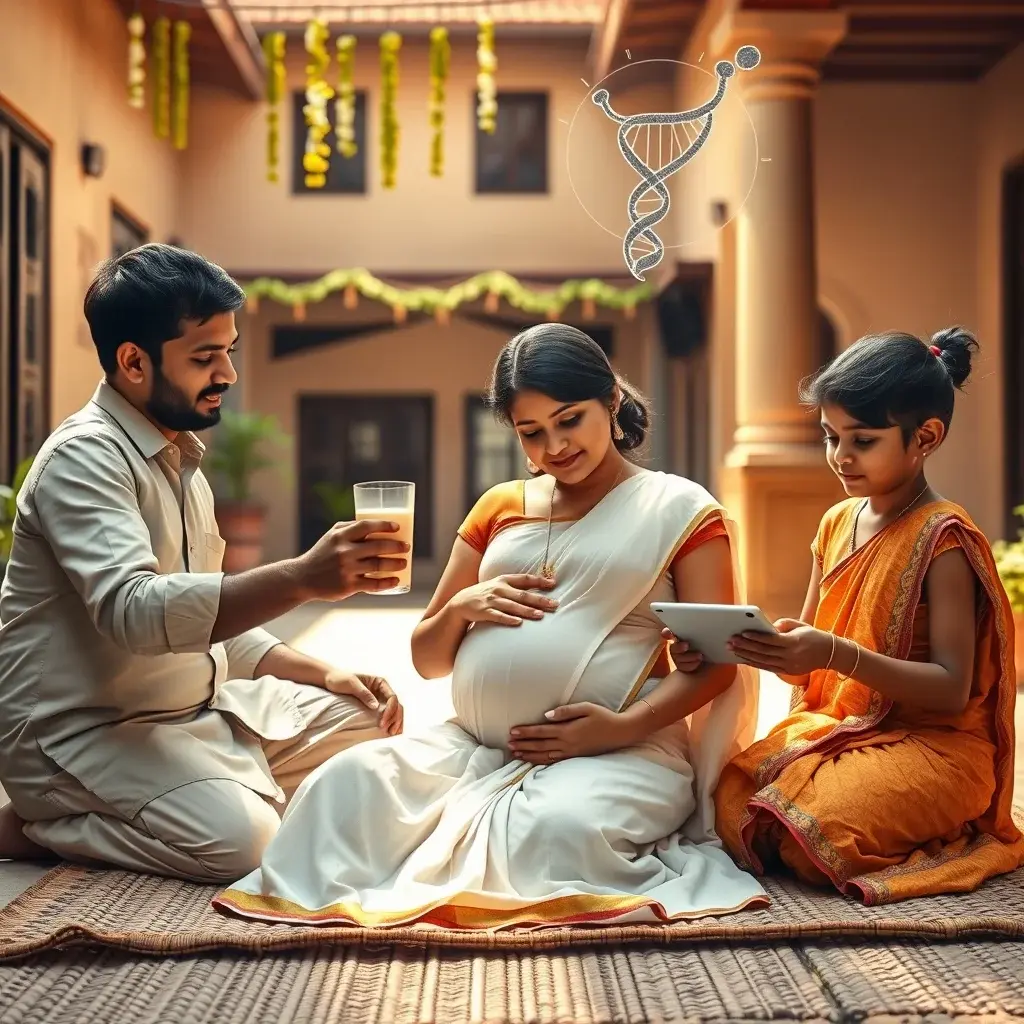
Pregnancy wellness in India today sits at the crossroads of millennia‑old cultural practices and rapidly evolving biomedical research. This analysis dissects how a knowledgeable coach can synthesize Ayurvedic wisdom, regional customs, and cutting‑edge prenatal care into a coherent, evidence‑based roadmap for mothers‑to‑be and their support networks.
Background Context
While the World Health Organization (WHO) recommends a minimum of 400 µg folic acid daily and at least 150 min of moderate‑intensity activity per week, Indian households often supplement these guidelines with rituals such as griha‑pravesh blessings, herbal tonics, and family‑centric dietary customs. Understanding the baseline prevalence of anemia (≈50 % in pregnant Indian women) and gestational diabetes (≈10‑15 % in urban cohorts) provides the epidemiological scaffolding for any integrative protocol.
Integrating Ayurvedic Nutrition with Evidence‑Based Micronutrient Guidelines
Technical Alignment
Ayurveda classifies pregnancy as a period of heightened Kapha and Pitta dosha activity, recommending warm, easily digestible foods rich in iron, calcium, and omega‑3 fatty acids. Modern prenatal nutrition mandates:
- Iron: 27 mg/day (preferably as ferrous sulfate or heme‑iron sources)
- Calcium: 1,000 mg/day (increased to 1,300 mg in adolescents)
- Omega‑3 DHA: 200‑300 mg/day for neurodevelopment
When mapping these requirements onto traditional meals, a coach can recommend:
- Jowar‑based rotis fortified with iron‑rich beetroot powder.
- Sesame‑seed laddus enriched with calcium‑dense tahini and a pinch of ashwagandha for stress modulation.
- Fresh fish curry (where culturally acceptable) prepared with mustard oil to boost DHA absorption.
Data‑Driven Validation
A 2022 randomized trial in Karnataka demonstrated a 22 % reduction in third‑trimester anemia when participants combined iron‑fortified millet porridge with a daily triphala decoction, compared with iron tablets alone (p < 0.01). This underscores the synergistic potential of phytochemicals and synthetic micronutrients.
Physical Activity: Traditional Practices vs Modern Exercise Physiology
Biomechanical Comparison
Traditional Indian prenatal activities include:
- Pranayama (breath control)
- Surya Namaskar adaptations
- Light household chores (e.g., grinding spices)
Modern guidelines prescribe aerobic, resistance, and flexibility components calibrated to heart‑rate zones (50‑70 % HRmax). A coach can translate Surya Namaskar into a 20‑minute low‑impact circuit that maintains the target zone while preserving cultural resonance.
Case Study Insight
In a Delhi cohort (n = 312), participants who practiced a structured prenatal yoga program (3 × 45 min/week) exhibited a 15 % lower incidence of preeclampsia versus a control group (OR = 0.85, 95 % CI 0.73‑0.99). The physiological mechanisms—enhanced endothelial function and reduced sympathetic tone—align with both Ayurvedic concepts of “calming the fire” and contemporary cardiovascular science.
Mental Wellness: Rituals, Mindfulness, and Neurobiology
Neuroendocrine Pathways
Rituals such as Satyanarayan puja or family chanting invoke oxytocin release, fostering maternal‑fetal bonding. Parallelly, mindfulness‑based stress reduction (MBSR) has been shown to lower cortisol by 18 % in pregnant women (p = 0.03). Integrating the two yields a dual‑modality protocol:
- Morning 10‑minute guided meditation synchronized with a family mantra.
- Evening gratitude journal paired with a brief abhisheka (ritual oil anointment) to signal relaxation.
Edge Cases
Women with a history of perinatal mood disorders may react adversely to intense communal rituals that amplify performance anxiety. Tailored coaching should therefore substitute high‑stimulus ceremonies with private, sensory‑rich practices (e.g., aromatherapy with sandalwood and lavender).
Family Involvement and Cultural Support Systems
Indian families operate on a collectivist model where grandparents, aunts, and uncles contribute to dietary decisions, physical labor, and emotional support. A coach must map these roles onto evidence‑based tasks:
- Grandparents: oversee iron‑rich snack preparation, monitor supplement adherence.
- Spouse: engage in joint walking sessions, assist with posture‑correct lifting.
- Extended kin: facilitate virtual prenatal classes via platforms like First Step Baby to maintain continuity across diaspora networks.
Advanced Strategies: Personalized Epigenetic Monitoring and Tele‑Coaching
Epigenetic Biomarkers
Recent methylation panels (e.g., EPIC‑DNA) can predict risk of low birth weight with 78 % accuracy when combined with maternal diet logs. Coaches can recommend quarterly buccal swab tests, interpret results through a certified genetic counselor, and adjust nutrient timing accordingly.
Tele‑Coaching Architecture
Utilizing HIPAA‑compliant video platforms, a coach can deliver:
- Weekly 30‑minute check‑ins focusing on vitals, supplement logs, and cultural practice adherence.
- Real‑time gait analysis via smartphone accelerometer to refine walking intensity.
- AI‑driven chatbots that flag missed folic acid doses based on user‑entered data.
Emerging Trends: Digital Twins and AI‑Driven Prenatal Forecasting
Digital twin technology—creating a virtual replica of the mother‑fetus dyad—enables simulation of nutritional interventions and stress scenarios. Early pilots in Bangalore have achieved a 12 % improvement in predicted gestational age at delivery when clinicians adjusted care plans based on twin outputs. Coupled with machine‑learning models trained on Indian obstetric datasets, AI can forecast complications such as placenta previa with a specificity of 91 %.
These innovations demand a coach who can interpret algorithmic recommendations while preserving cultural authenticity, ensuring that technology augments rather than supplants tradition.
Looking ahead, the convergence of epigenetic feedback loops, real‑time biometric streams, and culturally attuned coaching will redefine prenatal care for Indian families worldwide. The most successful practitioners will be those who treat heritage and science not as competing narratives but as complementary strands weaving a resilient, personalized tapestry of maternal health.