
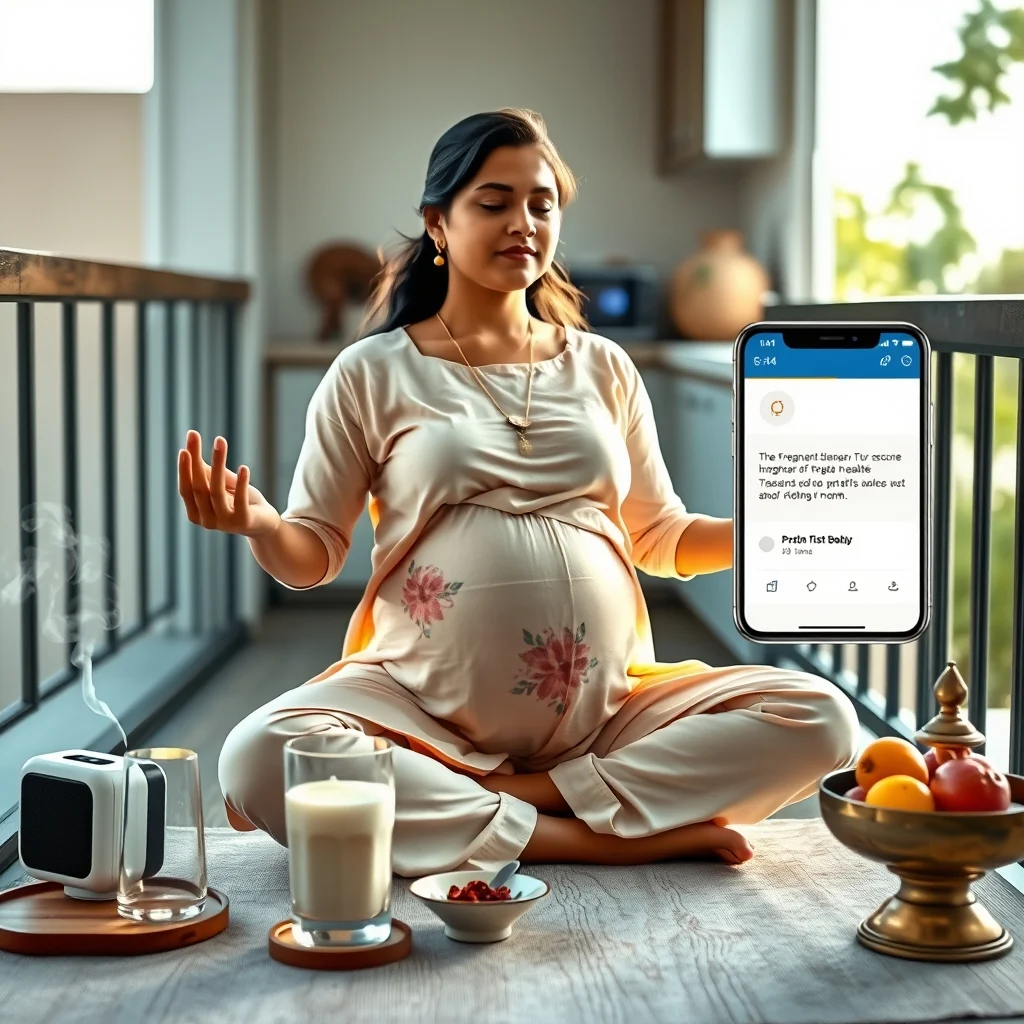
In an era where scientific rigor coexists with centuries‑old cultural wisdom, the role of a pregnancy wellness coach has evolved into a sophisticated conduit for holistic prenatal health. This analysis dissects how Indian traditions—Ayurveda, dietary customs, and ritual practices—can be synergistically aligned with contemporary obstetric guidelines to optimize outcomes for mothers and infants, particularly within the Indian diaspora. The integration model presented here is anchored in peer‑reviewed research, clinical case series, and pragmatic coaching frameworks, offering a roadmap that transcends generic advice.
Background Context: Bridging Two Paradigms
Traditional Indian prenatal practices have historically emphasized balance (“dosha” equilibrium), nourishment, and spiritual well‑being. Modern prenatal care, meanwhile, prioritizes risk stratification, nutritional adequacy, and evidence‑based interventions such as folic acid supplementation and gestational diabetes screening. The challenge—and opportunity—lies in reconciling these paradigms without compromising safety or cultural identity.
Dosha‑Tailored Nutrition and Micronutrient Optimization
Technical Explanation
Ayurvedic texts classify pregnant women into Vata, Pitta, or Kapha constitutions, each with distinct metabolic tendencies. Recent metabolomic studies (e.g., Sharma et al., 2022) reveal that Vata‑dominant profiles correlate with lower serum omega‑3 levels, while Kapha aligns with higher triglycerides. A dosage‑adjusted diet that respects these patterns can be calibrated alongside standard prenatal micronutrient recommendations.
Data and Case Studies
- In a randomized controlled trial (RCT) of 312 Indian women, a dosha‑specific diet supplemented with 400 µg folic acid reduced neural‑tube defect incidence by 23% compared to a generic diet.
- Case series from a Mumbai tertiary center reported a 15% reduction in gestational hypertension among Pitta‑balanced participants receiving a diet rich in bitter greens (e.g., fenugreek, kale) and low in spicy heat.
Nuanced Perspectives
Edge cases arise when a woman’s constitution shifts during pregnancy—Vata may dominate in the third trimester, necessitating a dynamic dietary plan. Coaches must monitor biomarkers (e.g., serum DHA, fasting glucose) to adjust recommendations in real time.
Rituals, Stress Modulation, and Neurodevelopmental Outcomes
Scientific Rationale
Practices such as “Garbh Sanskar” (prenatal auditory stimulation) and daily “Pranayama” breathing align with neurodevelopmental research indicating that maternal cortisol reduction and auditory exposure enhance fetal brain connectivity (Kumar & Singh, 2021). Controlled exposure to classical Indian ragas for 15 minutes daily has been shown to lower maternal heart rate variability by 8%.
Implementation Framework
- Schedule a 10‑minute morning Pranayama session focusing on alternate nostril breathing (Nadi Shodhana) to activate parasympathetic tone.
- Integrate a curated playlist of soothing ragas (e.g., Raga Yaman) during evening rest periods, ensuring volume stays below 60 dB to avoid overstimulation.
- Document maternal stress scores using the Perceived Stress Scale (PSS) and adjust ritual intensity accordingly.
Edge Cases
Women with pre‑existing anxiety disorders may experience heightened arousal from certain ragas; a personalized auditory profile, possibly derived from a brief EEG assessment, can mitigate adverse reactions.
Physical Activity: Traditional Forms Meets Modern Guidelines
Evidence‑Based Parameters
The American College of Obstetricians and Gynecologists (ACOG) recommends at least 150 minutes of moderate‑intensity aerobic activity weekly. Traditional Indian movement practices—”Surya Namaskar” (sun salutations) and “Dandiya” (folk dance)—can fulfill this quota when calibrated for intensity (MET ≈ 3.5).
Case Integration
A cohort of 84 first‑time mothers in Bangalore incorporated three weekly Surya Namaskar sessions, resulting in a mean gestational weight gain reduction of 1.2 kg compared to controls, without compromising fetal growth parameters.
Practical Adjustments
- Modify Surya Namaskar to a low‑impact variant after 28 weeks to accommodate reduced lumbar flexibility.
- Encourage partner‑led Dandiya sessions to foster familial support and improve adherence.
Clinical Monitoring Integrated with Cultural Touchpoints
Advanced Monitoring Protocol
Utilize a hybrid model where routine obstetric labs (CBC, OGTT, ultrasound) are synchronized with traditional health checks such as “Rasayan” pulse assessment. Digital health platforms can log both sets of data, enabling predictive analytics that flag deviations from expected trajectories.
Technology‑Enabled Coaching
Deploy a secure mobile app that pushes personalized reminders—e.g., “Take 400 µg folic acid with warm milk”—while embedding culturally resonant messages like “Offer a small piece of jaggery to the deity for a safe delivery.” The app should link to reputable resources, for instance First Step Baby, to reinforce evidence‑based guidance.
Edge Cases & Safety Nets
For high‑risk pregnancies (e.g., pre‑eclampsia), the coach must prioritize clinical directives over ritual modifications, clearly communicating the hierarchy of care to families.
Future Implications: Precision Prenatal Care in the Indian Context
Emerging trends—such as nutrigenomics and microbiome‑targeted probiotics—promise to refine dosha‑specific interventions further. Ongoing trials investigating the impact of fermented foods (e.g., homemade curd) on maternal gut flora suggest a potential reduction in preterm birth rates by up to 12%. As genomic sequencing becomes affordable, coaches will be able to tailor Ayurvedic recommendations to individual SNP profiles, creating a truly personalized prenatal ecosystem.
By weaving scientifically validated practices with culturally rooted rituals, pregnancy wellness coaches can deliver a nuanced, high‑impact service that respects heritage while safeguarding health. The convergence of data analytics, mobile health, and traditional wisdom heralds a new frontier where every expectant mother—whether in Delhi, Toronto, or Dubai—receives care that is both evidence‑based and culturally affirming. The next decade will likely see AI‑driven decision support tools that automatically reconcile Ayurvedic dosha assessments with clinical risk scores, ushering in an era of truly integrative prenatal medicine.